2026-10-11 ·
Malden Seasonal Roof Maintenance Checklist (Spring/Fall)
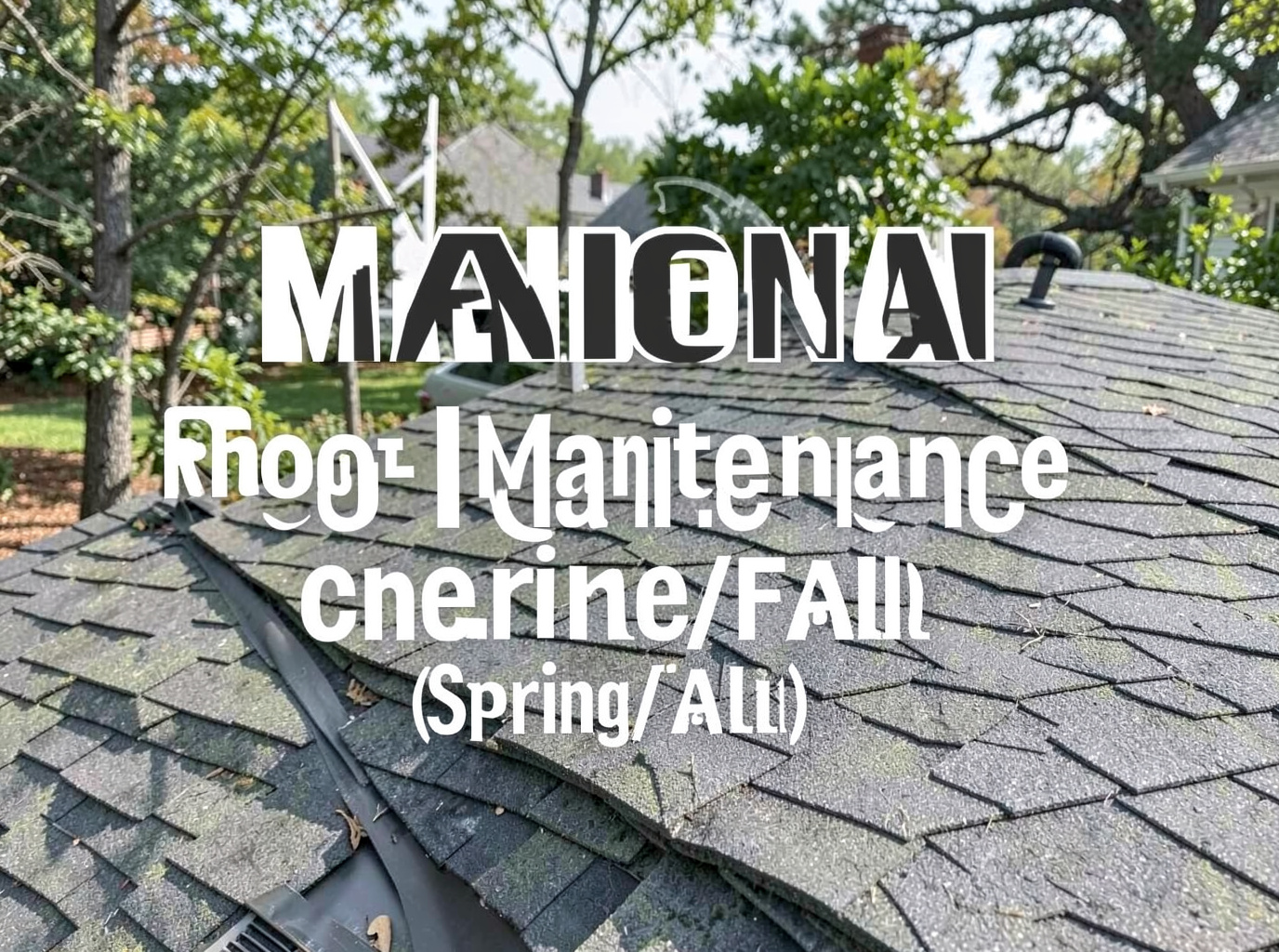
Malden roof owners should complete a full spring inspection by mid-April and a fall prep by mid-October to address wear from cold winters and warm summers before leaks form. This timing aligns with the shift from freezing conditions that cause ice dams along the Malden River to summer humidity that speeds shingle aging in areas like Downtown Malden and Oak Grove.
Spring Inspection Priorities
Spring checks start with walking the roof edges after snow melt to spot lifted shingles or granule loss common on 1920s-1950s homes throughout Middlesex County. Examine flashing around chimneys and vents for gaps widened by freeze-thaw cycles, then clear debris from gutters to restore flow before heavy April rains hit Pine Banks Park slopes. Homeowners in Forestdale often find cracked pipe boots from winter contraction, which direct water under layers if left alone. A thorough check also includes attic visits to look for daylight or moisture stains near the Malden City Hall vicinity where older rafters sit closer together. These steps catch small problems before they require Roof Leak Detection & Inspection.
Fall Preparations for Ice and Wind
Fall work focuses on sealing entry points before nor'easters arrive, starting with tightening or replacing loose flashing on the north-facing slopes that receive the heaviest snow load in Edgeworth. Clean gutters and downspouts completely so meltwater from early winter storms does not back up under eaves in Oak Grove and Forestdale. Apply sealant to vent boots and ridge vents while temperatures stay above 50 degrees, a window that usually closes by late October in this humid continental zone. Residents near the Malden River should also trim overhanging branches that rub shingles during high winds. These actions reduce the chance of needing Ice Dam Removal & Prevention later in the season.
Climate-Driven Maintenance Adjustments
Malden's cold winters followed by warm, humid summers accelerate wear on asphalt shingles, especially on homes built before 1970 in neighborhoods like Edgeworth and Linden. Ice expansion lifts tabs along valleys, while summer heat softens sealant around pipe boots near the Malden River corridor. Spring inspections therefore emphasize checking for granule loss after winter, and fall visits focus on reinforcing seals before the first freeze. Nearby cities such as Medford, Everett, and Melrose share these same patterns, so crews see identical damage profiles across the county. Regular seasonal attention keeps water out without waiting for visible interior stains.
Checklist Items to Track Seasonally
Create a simple log with dates for each task: spring gutter clearing, flashing inspection, and attic moisture scan; fall sealant touch-up, downspout extension checks, and tree trimming. Note any new cracks or missing granules immediately so they can be addressed before the next storm. In Forestdale and Downtown Malden, where many roofs are steeper, use a ladder and binoculars rather than walking the full surface if the pitch exceeds 6:12. Keep records of what was found each season to spot recurring spots near chimneys or vents. This documentation helps when coordinating with nearby service areas such as Melrose, MA.
When to Call for Professional Review
If spring or fall checks reveal widespread granule loss, sagging sections, or repeated interior damp spots, schedule a full assessment rather than attempting repairs from a ladder. Crews familiar with Middlesex County stock know how to handle the mix of slate accents and asphalt layers found on many Malden homes. Early professional input prevents small issues from turning into emergency calls during the next nor'easter. Readers facing active leaks can review How Nor'easters Damage Roofs in Malden for immediate next steps.